

-

Anti Foaming Agent For Herbicide
• CAS No: NA. • Chemical name: NA. • Application: Antifoam for agricultural formulations. • Packing: In 25kg Net Drum. • Qty in 20′ FCL: 12MT. • Origin: China. Add to Inquiry -
Xanthan Gum
• CAS No: 11138-66-2. • Chemical name: Xanthan gum. • Application: Thickener for SC, SE, FS formulations. • Packing: In 25kg Net Bag. • Qty in 20′ FCL: 12.8MT. • Origin: China Add to Inquiry

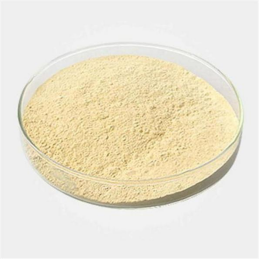
What is Xanthan Gum?
An additive used as a thickener, stabiliser and emulsifier, xanthan gum is made when strains of the Xanthomonas campestris bacteria are fed a solution of glucose, derived from corn, soy, dairy or wheat. The bacteria ferments the sugary solution, creating a sticky protective coat that has a consistency suitable for binding and thickening ingredients. It's these properties that make xanthan gum useful in food production – most notably in gluten-free baking, where it helps starches combine and improves the rise of gluten-free bakes.
What is Xanthan Gum Used For?
Xanthan gum, or just xanthan, is a very versatile ingredient and has many uses both in modernist and traditional cooking. It is also very easy to use and work with. Xanthan gum is great for thickening liquids, especially in small amounts, to turn them into flavorful sauces. It also can be used to create light foams and froths. Xanthan gum is excellent when used to stabilize emulsions or to suspend particles in liquids and is very effective at keeping purees from separating.
Xanthan gum has a very neutral flavor so it mixes well with foods without masking their flavor. It provides an improved mouthfeel for many preparations, slightly thickening a liquid similar to how traditionally reducing a liquid does. Xanthan also adds a desirable texture that fat usually contributes, making it ideal in low-fat preparations.
Xanthan gum is gluten free and is often used as a substitute in baking and thickening. It also helps baked goods to retain more moisture than they would have otherwise. When mixed into batters or tempura xanthan gum adds good cling, allowing the batter to stick more easily to the food. Also, xanthan gum does not lose its properties when microwaved.
What is Xanthan Gum Made from
Xanthan gum is made from glucose extracted from grains such as corn, soy, or wheat, and sometimes from lactose (a sugar extracted from milk). Sugarcane and sugar beet can also be used as a source of glucose in products.
The xanthan gum used in foods is a fine, grayish-white powder that dissolves quickly in hot or cold water. It is commonly used in condiments such as salad dressings and sauces, jams, and fruit fillings to increase viscosity and to help stabilize the product and prevent ingredients, such as oil, from separating from the mixture. It is also used in ice cream to keep the texture smooth and prevent ice crystals from forming. Xanthan gum can be used as a substitute for gluten because it helps to make the gluten-free dough sticky.
In fact, the concentration of xanthan gum used rarely exceeds 0.05% of the food. Xanthan gum manufacturers often mix xanthan gum with other gums, such as locust bean gum and guar gum, to enhance the effect.
Xanthan gum is made by fermentation of carbohydrates (sugars). Xanthomonas canola feeds on carbohydrates and metabolizes sugars into liquid solutions. The solution is mixed with alcohol (ethanol or isopropanol) to separate the gum from the water. The gum is then rinsed, dried, and ground.
The carbohydrates used to make xanthan gum can be extracted from sucrose, lactose (dairy products), corn, or wheat. In the United States, stabilizer xanthan gum is usually extracted from corn, which is a cheap, subsidized crop. However, because corn is typically a GM crop, other types of carbohydrates are used in the United States to produce non-GM xanthan gum. In South America, sucrose is often used because of the low price of sugar, while in Europe, the common sweetener is wheat.
Working Principle Of Xanthan Gum
First discovered by USDA scientists in the 1950s, xanthan gum is fermented by plant-loving bacteria, characterized by sticky cell walls. It is no less natural than vinegar or yeast. We think xanthan gum is one of the best discoveries in food science since yeast.
It is used as a thickener or stabilizer in a wide variety of foods found on grocery store shelves. Many canned or prepared products contain xanthan gum: salad dressings, sauces, soups, and baked goods — particularly those that are gluten-free because xanthan gum can perform some of the same functions as gluten.
Xanthan gum is one of the most useful food additives around; it is effective in a wide range of viscosities, temperatures, and pH levels. It is easy to use, has no taste, and generally works quite well. And it can thicken liquids at extremely low concentrations – as little as 0.1% by weight can yield a thick liquid, and 0.5% by weight can make a thick paste (this is why it is best to weigh out xanthan gum with a digital scale rather than use volumetric measurements). Traditional thickeners like flour typically require far larger amounts to do a similar job. The quantity matters because the more thickener you have as a fraction of the total mixture the more likely it is to impose an undesirable texture and inhibit flavor.

What Are The Main Uses Of Xanthan Gum?
Thickening and stabilizing:
Xanthan Gum is commonly used as a thickening and stabilizing agent in food and beverage products. It helps to create a smooth and creamy texture in foods like salad dressings, sauces, and soups, and also helps to prevent ingredients from separating.
Gluten-free baking:
Xanthan Gum is commonly used in gluten-free baking as a replacement for gluten. It helps to give gluten-free baked goods a more elastic and dough-like texture, and can also help to improve the shelf life of these products.
Ice cream and frozen desserts:
Xanthan Gum is commonly used in ice cream and other frozen desserts to prevent the formation of ice crystals and to improve texture and consistency.
Beverages:
Xanthan Gum is often used in beverages like smoothies and protein shakes to help prevent separation and improve mouthfeel. It can also be used to improve the suspension of ingredients like pulp and particles.
Personal care products:
Xanthan Gum is also commonly used in personal care products like toothpaste, shampoo, and lotions as a thickening and stabilizing agent. It can help to improve the texture and consistency of these products and make them easier to apply.
Benefits of using xanthan gum in the food industry
01/
Extended Shelf Life
Xanthan gum can also help extend the shelf life of food products by preventing separation and improving product stability. It can help products stay fresher for longer, reducing waste and increasing profitability.
02/
Gluten-Free Alternative
Xanthan gum is a popular ingredient in gluten-free baking as it can mimic the texture and viscosity of gluten. It’s an excellent alternative for those with celiac disease or gluten intolerance.
03/
Reduced Fat Content
Xanthan gum can be used as a fat substitute in low-fat products, such as salad dressings, by creating a creamy texture without the added fat content.
04/
Cost-Effective Solution
As a highly efficient thickener, stabilizer, and emulsifier, xanthan gum can be used in small quantities, making it a cost-effective solution for food manufacturers.
05/
Improved Manufacturing Efficiency
Xanthan gum can enhance the manufacturing process by reducing the mixing time required to achieve the desired texture and viscosity in food products. This can lead to increased productivity and reduced manufacturing costs.
06/
Enhanced Product Appeal
Xanthan gum can improve the overall sensory appeal of food products, such as texture, appearance, and mouthfeel. This can lead to increased consumer satisfaction and loyalty.
What are the applications of xanthan gum?
Thickening agent: Xanthan gum is often used as a thickening agent in food products such as salad dressings, sauces, and soups.
Emulsifier: It can also act as an emulsifier, helping to prevent ingredients from separating and ensuring a consistent texture in products like ice cream and yogurt.
Stabilizer: Xanthan gum is a stabilizer, which means it helps to keep food products from breaking down over time. This is particularly helpful in baked goods like gluten-free bread, where it can help give structure to the dough and prevent it from crumbling.
Gluten-free baking: Xanthan gum is a common ingredient in gluten-free baking, where it can help mimic the elasticity and binding properties of gluten.
Personal care products: Xanthan gum is also used in personal care products such as lotions and shampoos as a thickener and emulsifier.
Oil drilling: Xanthan gum is used in the oil drilling industry as a thickener and suspending agent to help stabilize drilling fluids.
Pharmaceutical industry: It is also used in the pharmaceutical industry to improve the texture and consistency of medications, such as tablets and capsules.
Industrial applications: Xanthan gum is used in various industrial applications, such as in the production of paper, textiles, and adhesives.
Agriculture: It can also be used in agriculture as a soil stabilizer and to improve water retention in crops.
Cosmetics: Xanthan gum is also found in cosmetics and personal care products like toothpaste and sunscreen to help provide texture and viscosity to these formulations.
Pet food: Xanthan gum is used in pet food as a thickener and stabilizer to help improve texture and prevent separation of ingredients.
Cleaning products: It is also used in cleaning products such as bathroom cleaners and dish soaps to provide viscosity and improve the flow properties of these products.
Paints and coatings: Xanthan gum can be used as a binder and stabilizer in paints and coatings, helping to improve their viscosity and flow properties.
Water treatment: It is used in water treatment plants to help settle out solids and improve the clarity of the water.
Fuel production: Xanthan gum can be used in the production of biofuels to help break down plant materials and improve fermentation.
Personal lubricants: Xanthan gum is used in personal lubricants to provide a smooth texture and to help prevent the lubricant from drying out too quickly.
Water-based paints: It can be used in water-based paints as a thickener and stabilizer, helping to improve their consistency and flow properties.
Textile printing: Xanthan gum is used in textile printing to create a paste that helps to hold the dye in place and improve color fastness.
Hydroponics: It can be used in hydroponic systems to help stabilize nutrient solutions and prevent them from separating over time.
Medical dressings: Xanthan gum is used in medical dressings to provide a gel-like consistency that helps to promote wound healing.
Oral care products: Xanthan gum is used in toothpaste and mouthwash to provide a smooth texture and improve its ability to spread evenly in the mouth.
Firefighting foam: It can be used in firefighting foams to help create a stable foam that can extinguish fires quickly and effectively.
Soil erosion control: Xanthan gum can be used in soil erosion control to stabilize soil surfaces and prevent erosion caused by wind, rain, or other factors.
Meat processing: It is used in meat processing to improve the texture and consistency of meat products such as sausages and processed meats.
Air fresheners: Xanthan gum is used in air fresheners to help thicken the product and improve its ability to distribute fragrance over a larger area.
FAQ
We're professional addictive manufacturers and suppliers in China, specialized in providing high quality formulation aids and adjuvants. Please rest assured to buy addictive at competitive price from our factory.
